
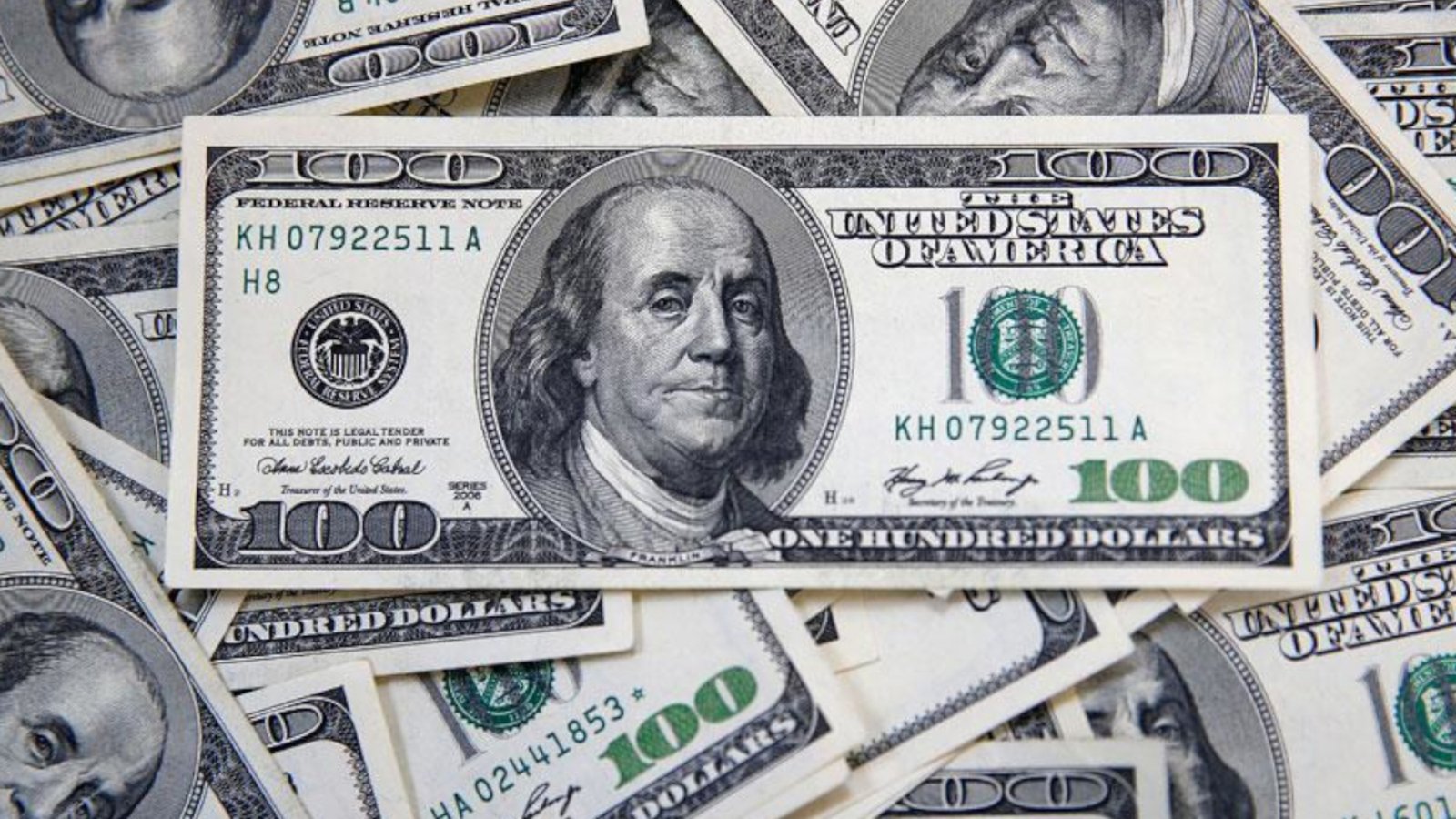
U.S. Dollar Holds Near Peak Levels as Oil Prices Surge — What It Means for Gold Traders in Pakistan (2026)
Global markets are in “risk-off” mode as geopolitical tensions in the Middle East push investors toward safe-haven assets. The U.S. dollar is holding close to recent highs, while crude oil prices are surging on concerns about supply disruptions and shipping risks around the Strait of Hormuz.
For Pakistani investors, this combination matters because it can quickly affect:
XAU/USD (Gold in dollars)
PKR pressure (import bill + inflation expectations)
Local gold rates
PMEX volatility across Gold, Silver, and Crude Oil contracts
At SR Gold Commodities, we empower you to navigate this market with confidence.
What’s Driving the Dollar’s Strength Right Now?
The U.S. Dollar Index (DXY) has stayed near peak levels as traders price in higher uncertainty and potential inflation spillovers from energy markets. When tensions rise, global investors often rotate into:
USD cash and U.S. Treasuries (safe-haven flow)
Defensive positioning across commodities and FX
Reduced risk exposure in emerging markets
In the current environment, the “oil shock risk” is a key driver because higher oil can re-ignite inflation expectations—even if economies are slowing.
Why Oil Prices Are Surging
Crude oil jumped sharply after the conflict escalation increased fears of disruptions to Middle East supply and shipping routes. Even the risk of interruptions near Hormuz can lift prices because the route is strategically critical for global energy flows.
When oil rises fast, markets usually start asking two big questions:
Will inflation return? (fuel → transport → food → broader prices)
Will central banks delay rate cuts? (higher inflation risk → tighter policy for longer)
The Inflation Link: Why Markets Get Nervous
Oil is not just an energy price—it’s an inflation input.
If oil remains elevated:
Global transport and production costs rise
Inflation expectations can climb
Central banks may become cautious about cutting rates
That’s why markets are closely watching U.S. data releases (like labor-market indicators and the Fed’s Beige Book) for clues about how sticky inflation could be into the next policy meeting window.
What This Means for Gold (XAU/USD)
Gold typically reacts to three forces during these periods:
1) Safe-haven demand
Geopolitical stress can increase gold buying as a “risk hedge.”
2) The dollar effect
A stronger dollar can sometimes cap gold upside because gold is priced in USD (it becomes more expensive for non-USD buyers).
3) Real rates and policy expectations
If markets think the Fed will stay tighter for longer due to inflation risks, gold can become choppy—moving up on fear, then pulling back on rate expectations.
Net result: gold volatility rises, and timing + risk management become more important than predictions.
What This Means for Pakistan: PKR, Import Bill, and Local Gold Rates
Pakistan is highly sensitive to energy prices because higher crude can impact:
Import costs
Current account pressure
Inflation expectations
PKR volatility
When oil goes up and the dollar stays strong at the same time, local bullion markets often see rapid repricing because both global gold and currency dynamics are shifting together.
How to Position Responsibly (Without Guessing)
Instead of trying to “predict the headline,” traders typically focus on structure:
A) Hedge inflation and currency risk
Gold can act as an inflation hedge, and for many Pakistani investors it’s also a hedge against currency weakness.
B) Trade regulated instruments
For structured online gold exposure in Pakistan, PMEX offers regulated commodity futures access through licensed brokers (with transparent pricing and execution).
C) Manage risk first
In high-volatility periods:
Use smaller position sizes
Define stop-loss levels
Avoid over-leverage
Don’t average down blindly
Practical Blueprint: How to Trade This Volatility via PMEX (High-Level)
Here’s a simple workflow used by disciplined traders:
1: Confirm the driver
Is today moving due to oil headlines, USD strength, or both?
2: Track key instruments
Gold, Crude Oil, Dollar Index proxies (market sentiment)
3: Choose strategy type
Hedge (reduce risk) vs. short-term trade (controlled risk)
4:Define invalidation
Where is your trade “wrong”? Set stops accordingly.
5: Execute and review
Don’t chase late candles; let price come to your level.
Key Risk Factors to Watch This Week
Shipping/security updates around Strait of Hormuz
Oil price stability vs. further spikes
Fed tone (inflation risk vs. growth support)
Labor market signals (strength can keep policy tighter)
Conclusion:
When oil surges and the dollar holds near highs, markets start pricing both geopolitical risk and inflation risk at the same time. That combination often leads to:
Higher volatility in gold
Faster repricing in PKR-based gold rates
More importance on risk-controlled, regulated execution
Trading gold online in Pakistan through PMEX offers a safe, regulated, and accessible way to participate in the gold market without holding physical gold. By choosing a licensed broker,
Ready to start?
Frequently Asked Questions
Because gold is priced in USD. A stronger dollar can reduce global demand pressure and create short-term headwinds—especially if rate expectations also rise.
Not always. Oil can lift inflation expectations (bullish for gold), but if it also pushes central banks toward tighter policy (bearish for gold), price can become volatile and two-sided.
Local gold prices can move due to global gold (XAU/USD) plus USD/PKR movements. If both rise together, local rates can increase faster.
Gold price is updated in real‑time during market hours and is influenced by international factors.
Gold price is updated in real‑time during market hours and is influenced by international factors.


Add a Comment